
QPAD Mousepads.
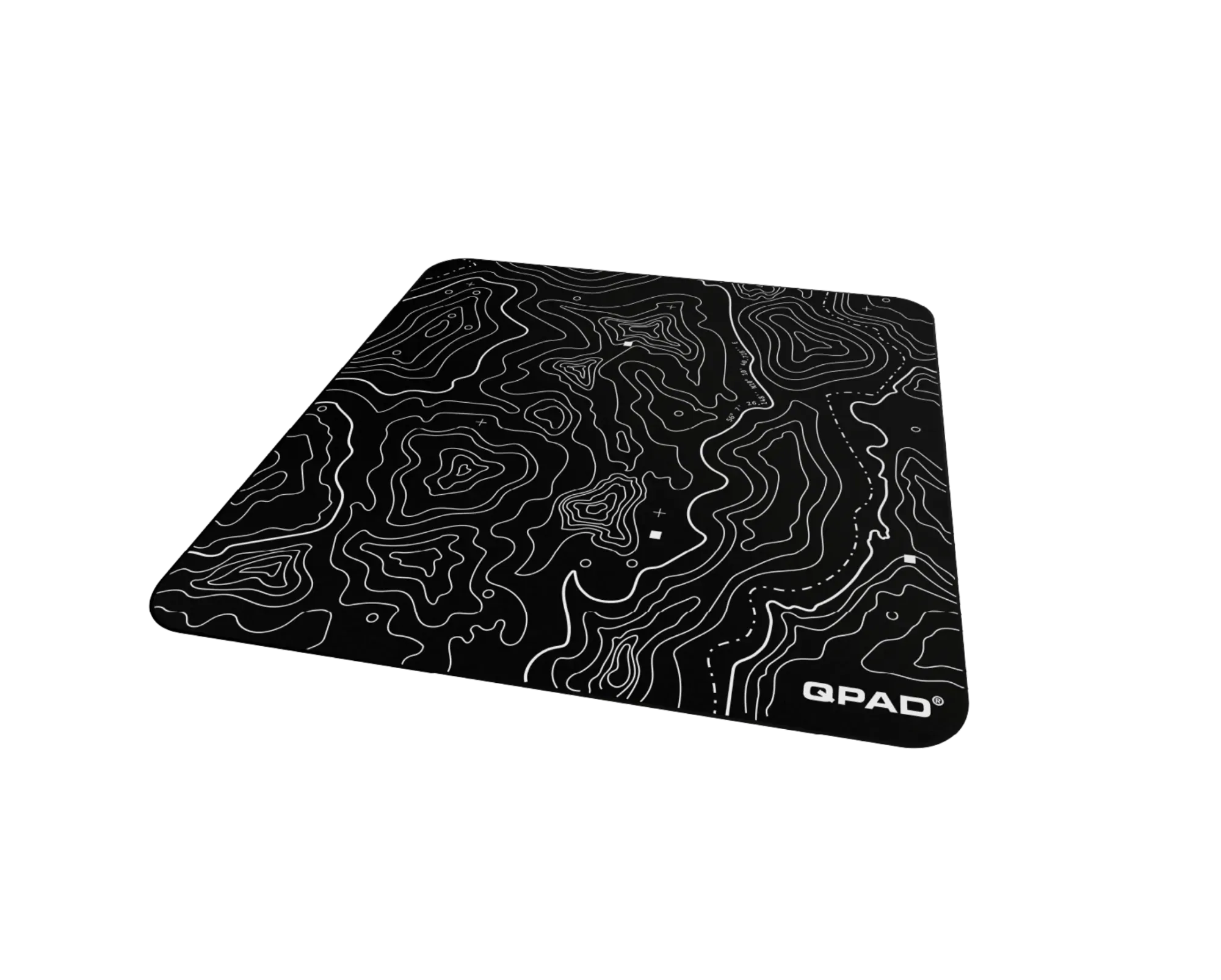
OBSIDIAN
OBSIDIAN GLASS MOUSEPAD L
- TEMPERED GLASS
- MULTI LAYERED
- ANTI SLIP RUBBER BASE


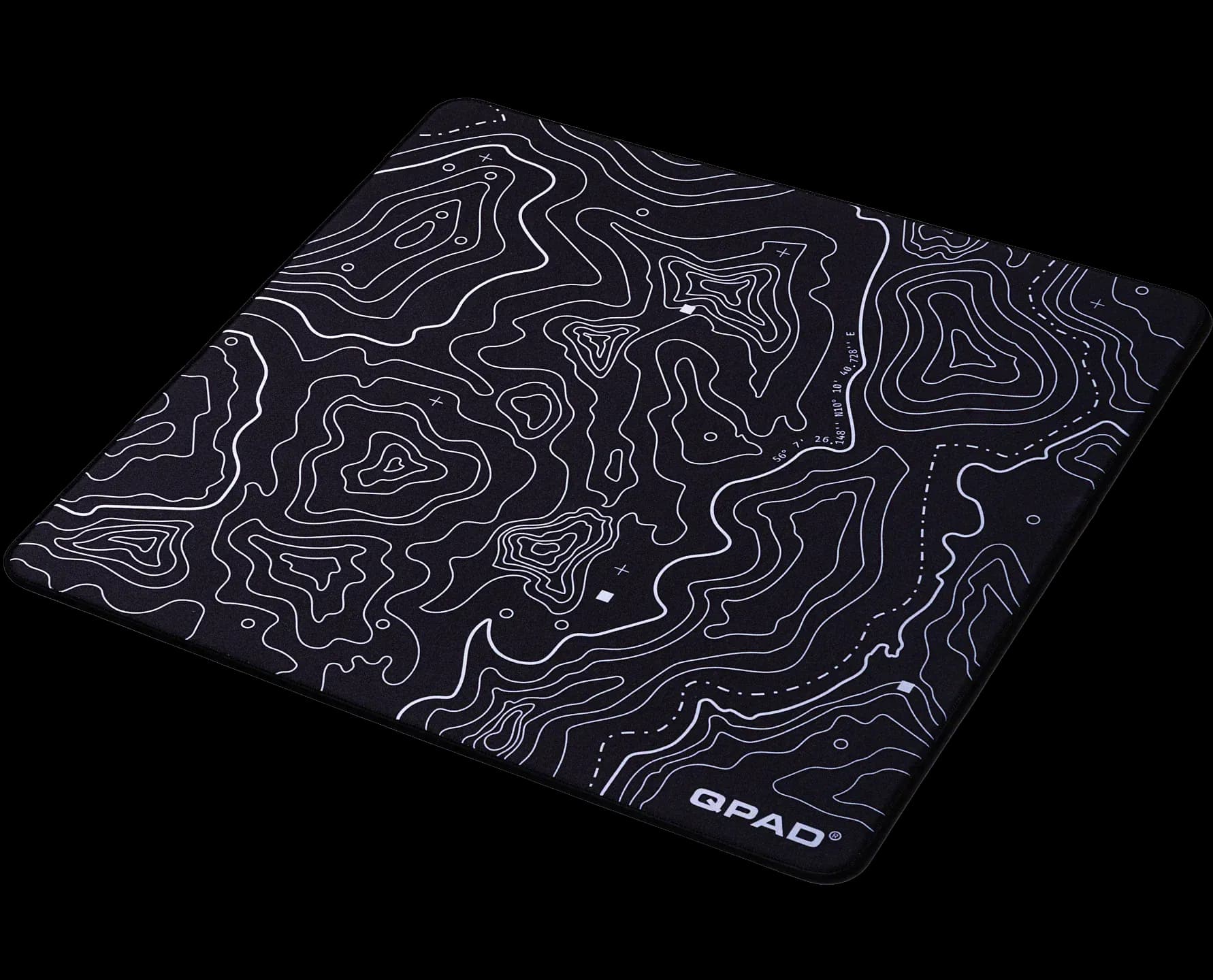
PORON
PORON MOUSEPAD L
- CONTROL SURFACE
- MULTI LAYERED
- ANTI SLIP PORON BASE
- UNIVERSAL SENSOR SUPPORT


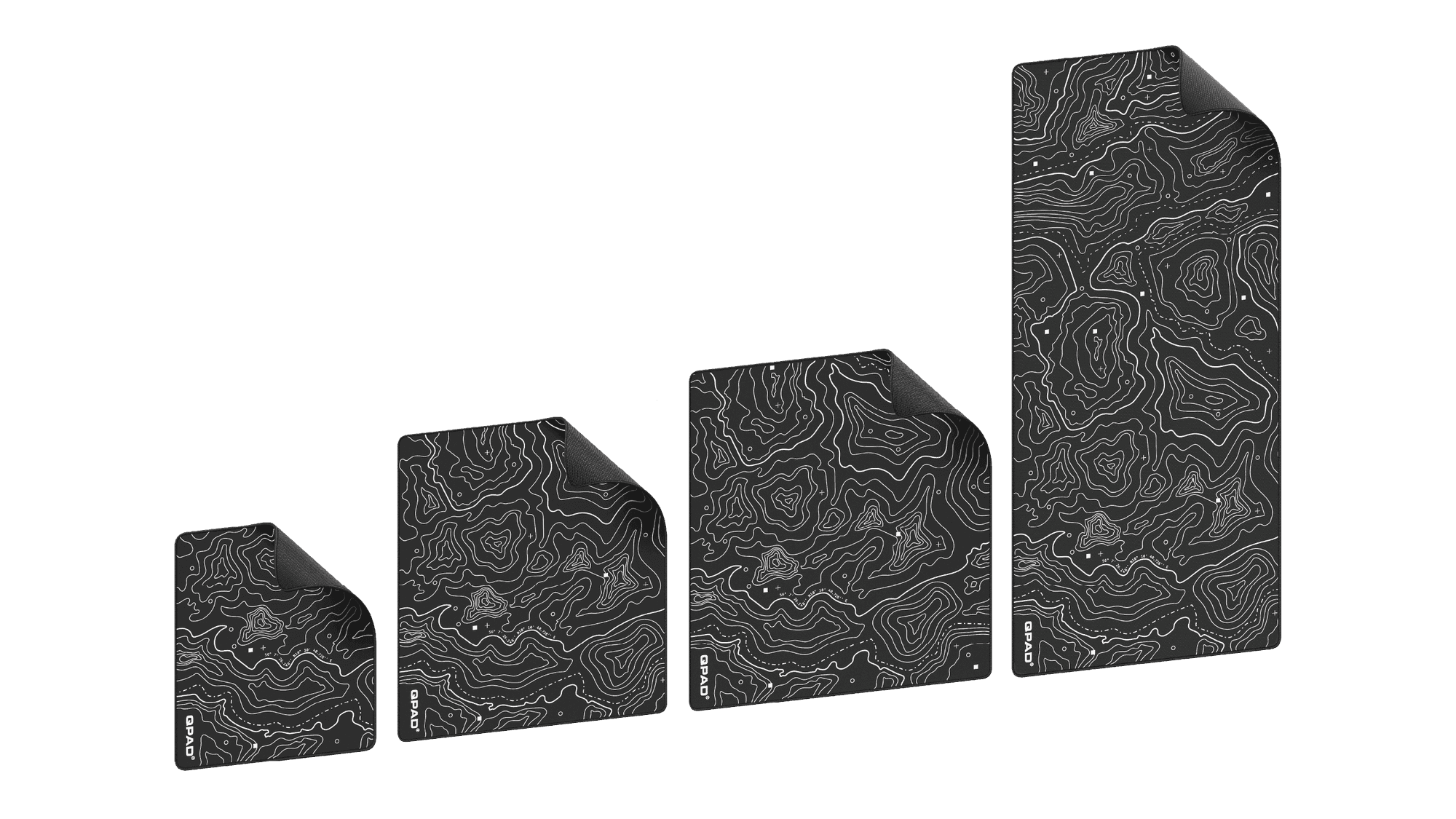
EDGE
EDGE MOUSEPAD SERIES
- ENHANCED SPEED
- MULTI LAYERED
- ANTI SLIP RUBBER BASE
- UNIVERSAL SENSOR SUPPORT
Choosing a glass mousepad or cloth for gaming
In short. A glass mousepad glides faster and holds the same feel in every direction, while cloth stops sooner and sits softer under the wrist through long play. QPAD makes both. Obsidian is the glass option at 420 × 420 mm and 1500 g, heavy enough to stay put under hard flicks and built for optical and laser sensors. Prefer cloth? The Poron Mousepad L and the Edge Series use a sensor-optimised fabric with flat stitched edges.
What a Glass Mousepad Changes
A glass mousepad has no fibres, so friction feels the same whichever way you push, and it never breaks in. Cloth works differently: the weave makes glide shift along its direction, and the surface polishes slowly under your hand. The Obsidian uses a tempered glass top that measures 4 mm thick and sits on a non-slip rubber base. At 1500 g it stays put, even under hard flicks.
The trade shows up in stopping power. Glass gives the fastest glide with less power to stop the cursor, so most players need 1 to 2 weeks to adjust their touch. Skates also wear quicker on glass than on cloth. If you want that speed on a steady surface, the Obsidian is built for it.

When a cloth mousepad wins
A cloth mousepad is the better choice when you want the pointer to halt quickly and settle where you aimed. The woven surface adds resistance, so your aim stays under control through long play, and it rests softer under the wrist than a hard top.
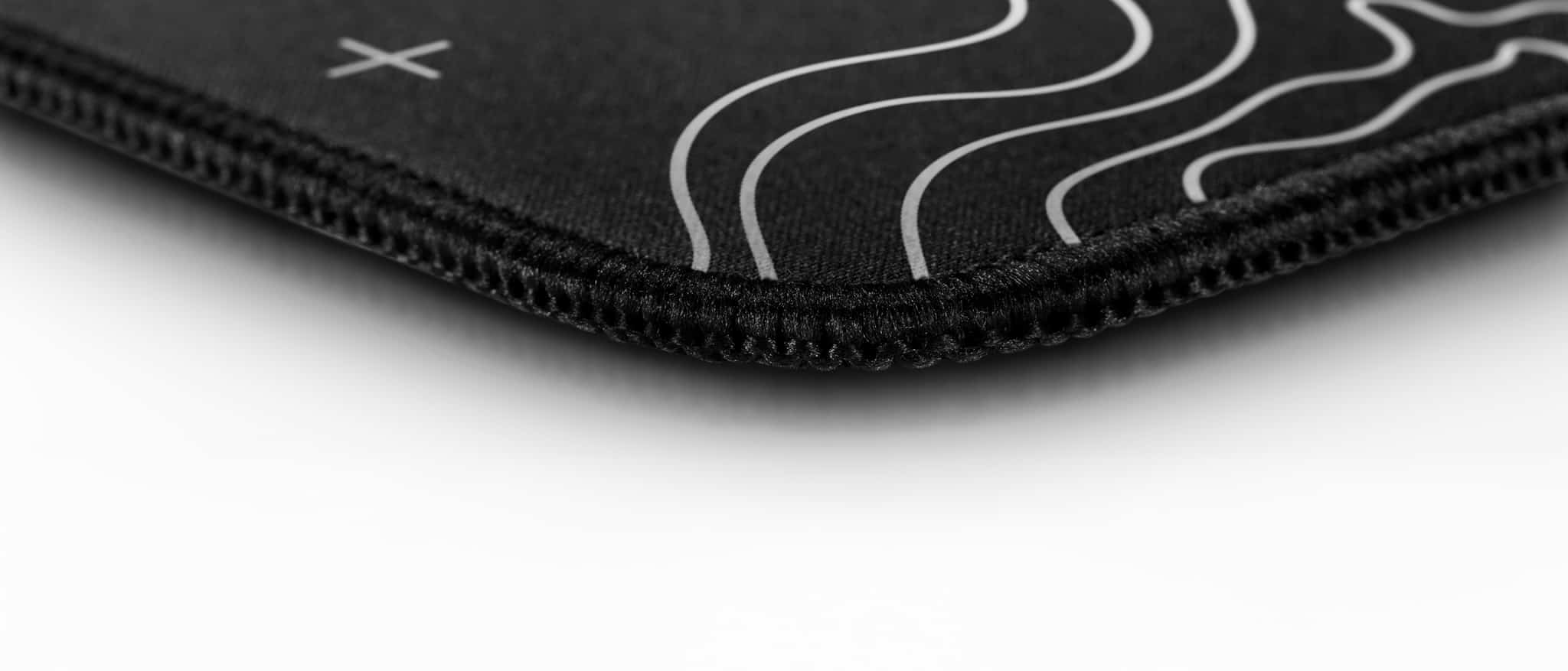
The Poron Mousepad L measures 420 × 420 × 3.8 mm and weighs 277 g, with a Poron base that keeps it planted during hard aiming. The Edge Series carries the same sensor-optimised fabric over a natural rubber backing and comes in four sizes, from M at 350 × 300 mm up to the XXL Wide at 900 × 400 mm, roomy enough to hold the keyboard on the pad. Both finish with flat stitched edges that lie down and never snag the wrist.

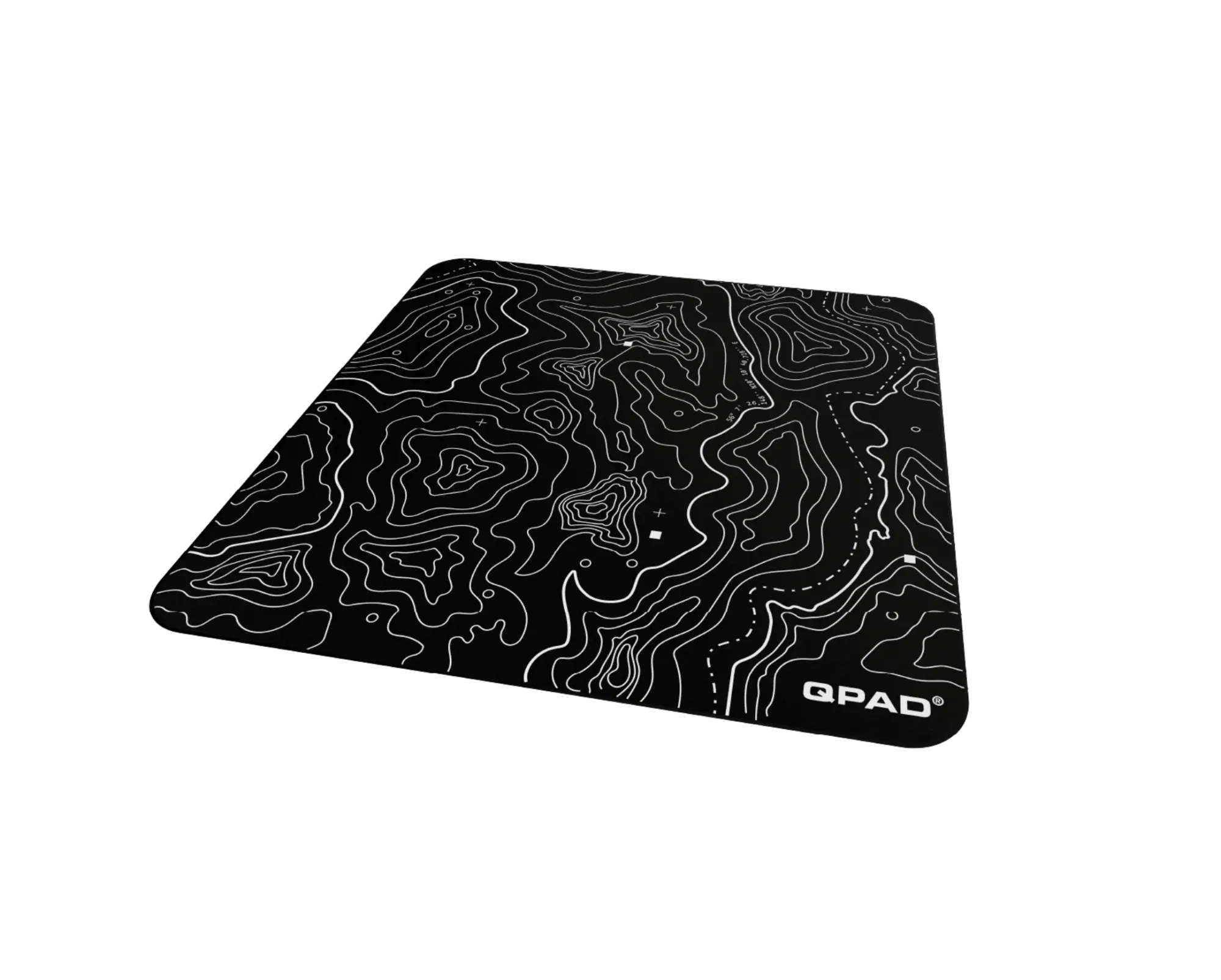 Obsidian Obsidian | 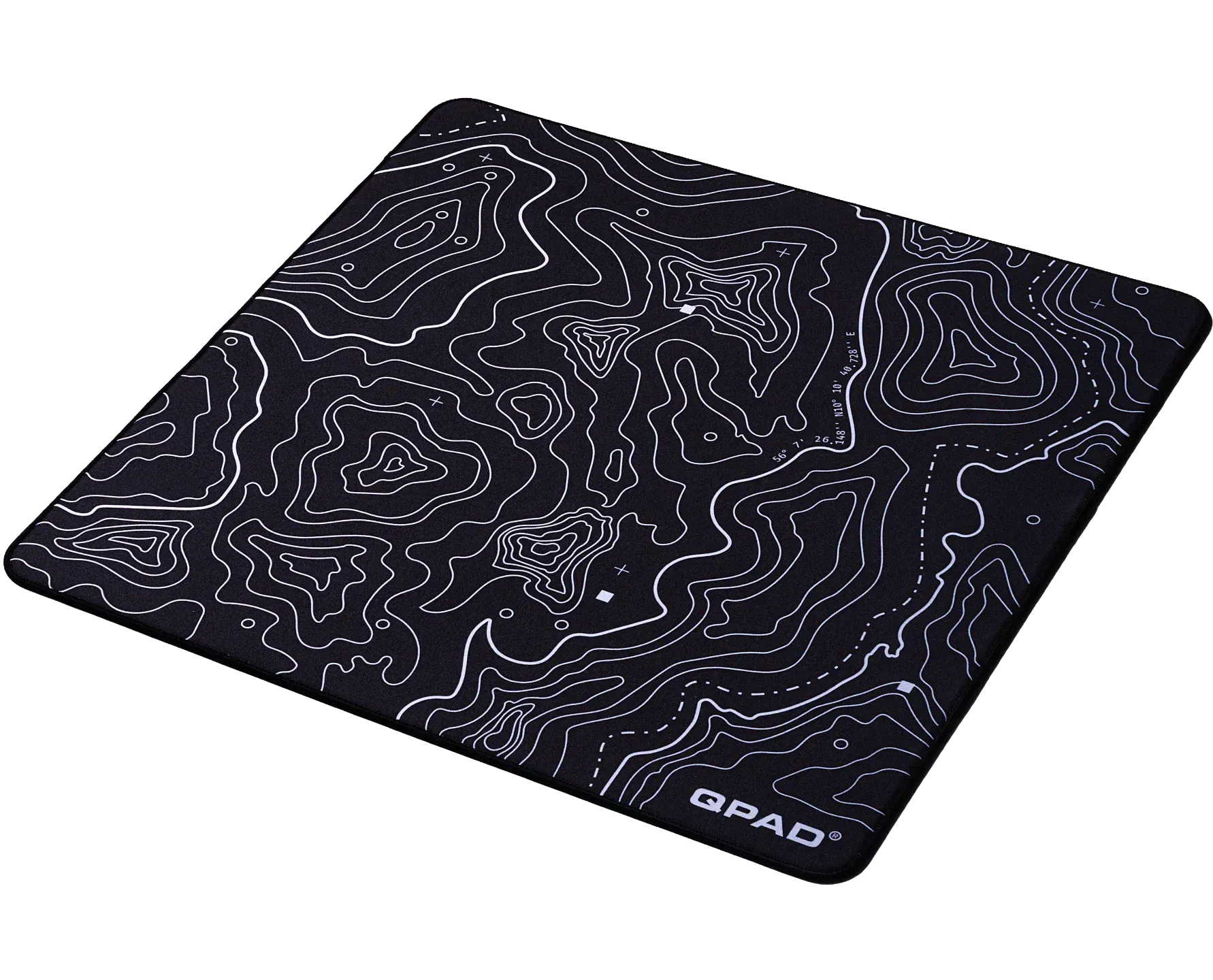 Poron L Poron L | 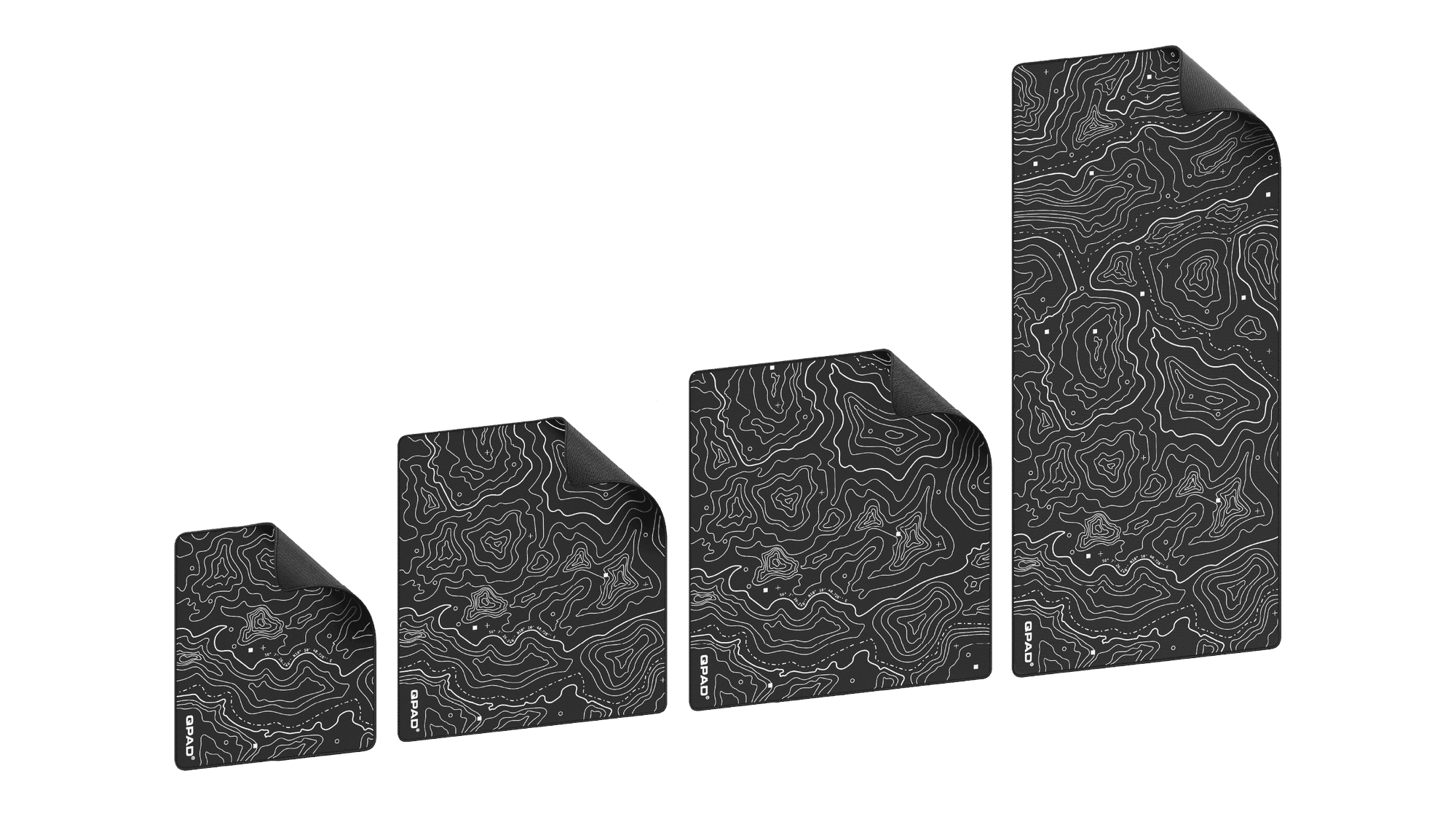 Edge Series Edge Series | |
|---|---|---|---|
| Surface | Tempered glass | Sensor-optimised fabric | Sensor-optimised fabric |
| Base | Non-slip rubber | Poron anti-slip | Anti-slip natural rubber |
| Size | 420 × 420 mm | 420 × 420 mm | 350 × 300 to 900 × 400 mm, 4 sizes |
| Thickness | 4 mm | 3.8 mm | 4 mm |
| Weight | 1500 g | 277 g | 197 to 666 g |
| Edge | Solid glass | Seamless flat stitching | Seamless flat stitching |
How to choose
- 01
Speed or control. Glass gives the fastest glide, so flicks fly and the sensor does the stopping, while cloth adds friction that slows the cursor for small, careful corrections.
- 02
Desk space. A 420 × 420 mm square suits a desk that holds only the mouse, while the Edge XXL Wide at 900 × 400 mm leaves room for the keyboard too.
- 03
Weight and slip. At 1500 g the glass pad stays put by mass, while cloth trusts its base, Poron under the Poron Mousepad L and natural rubber under the Edge Series.
- 04
Care. Wipe the glass surface with a damp cloth, since it takes in nothing, and give a cloth pad a wash every so often.
FAQ
- Is a glass mousepad faster than a cloth mousepad?
- Yes. Glass has no fibres, so friction stays the same in every direction and the mouse slides further for each movement. The difference shows most on quick flicks. The trade is less stopping power, so the cursor coasts a little before it settles.
- Does a glass mousepad work with every mouse sensor?
- The Obsidian is built for both optical and laser sensors. Its tempered glass surface is tuned so a sensor reads it cleanly, which a plain sheet of glass is not made to do. Most modern mice track on it without trouble.
- How big is a 420 × 420 mm mousepad in practice?
- It is a square, 42 cm on each side. That gives enough room for low-sensitivity aim, where wide arm sweeps need space to land. Both the Obsidian and the Poron Mousepad L come in this 420 × 420 mm size.
- Why does the Obsidian mousepad weigh 1500 g?
- The weight keeps the glass pad planted. At 1500 g sitting on a non-slip rubber base, the Obsidian does not creep when you throw a hard flick, so you are not nudging it back into place in the middle of a round.
- Which QPAD mousepad fits a desk with the keyboard on the pad?
- The Edge Series XXL Wide, at 900 × 400 mm and 666 g, is the one that holds both keyboard and mouse. The other Edge sizes are meant for the mouse alone, running from M at 350 × 300 mm up to XL at 500 × 450 mm.