
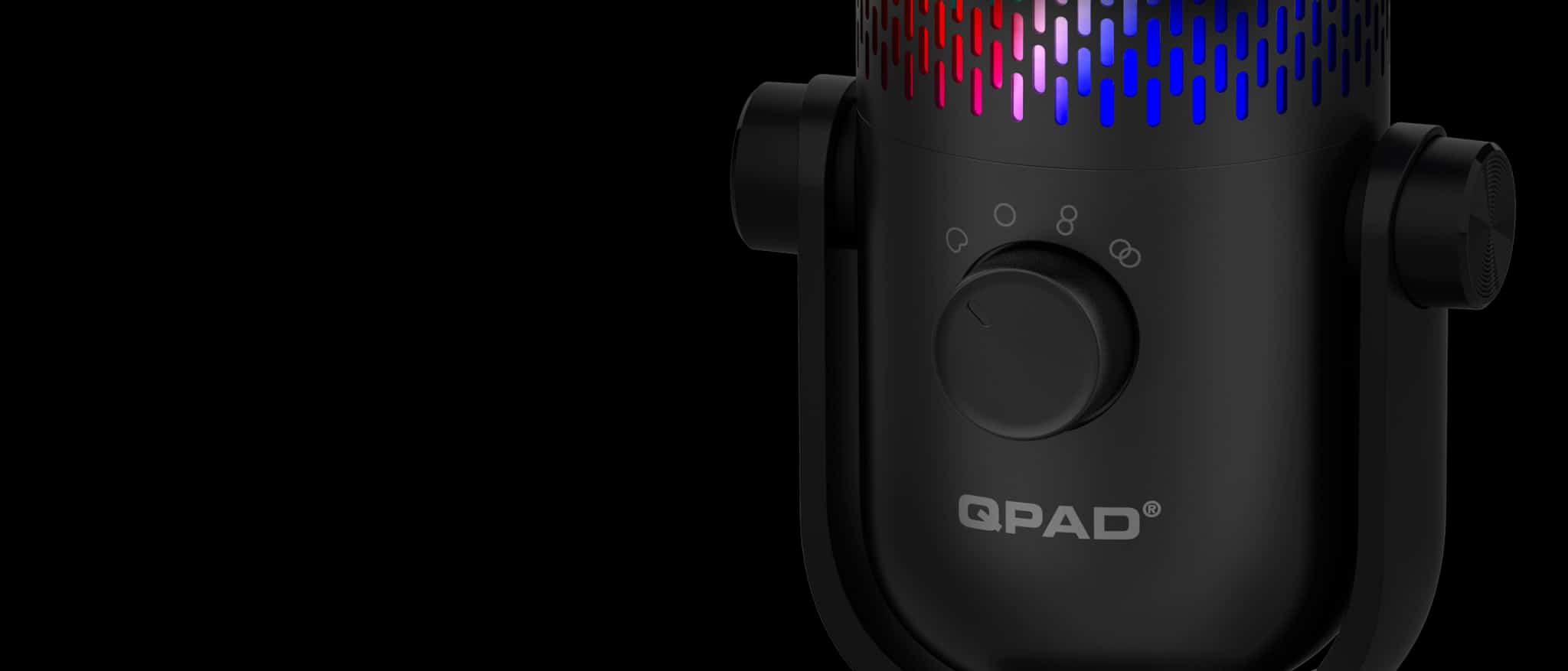
QPAD Streaming microphones.
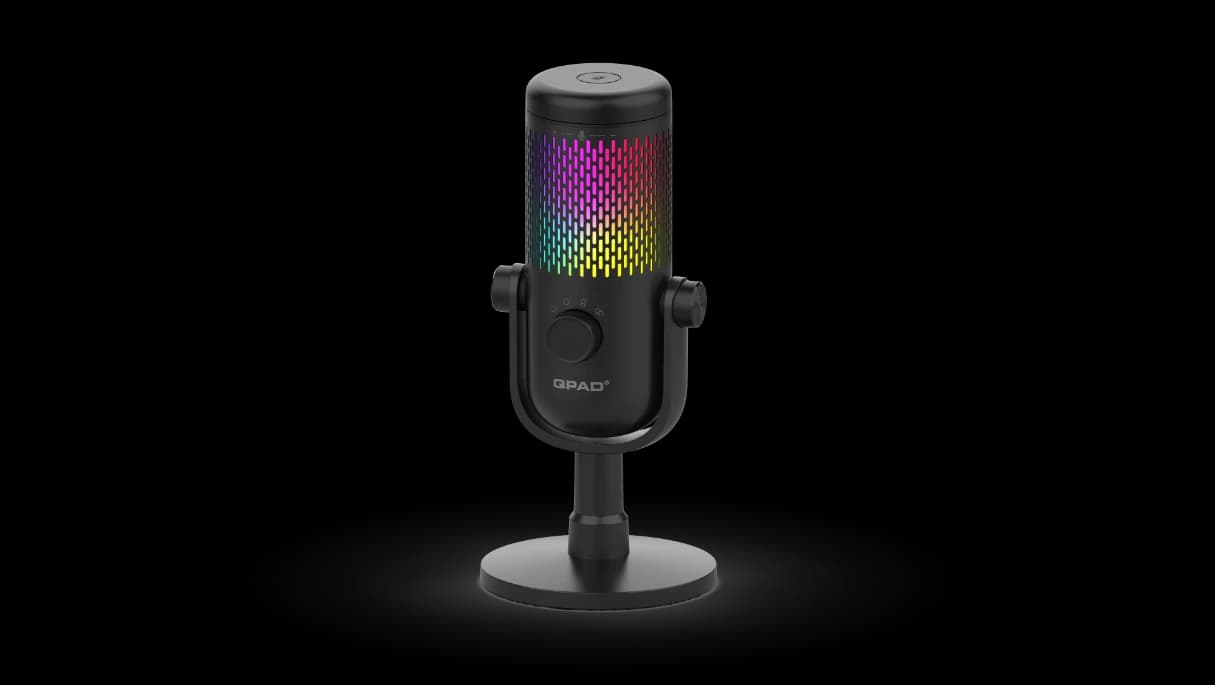
OMNIBEAM
OMNIBEAM STREAM MIC RGB PRO
- GAIN CONTROL
- WEIGHTED BASE
- HI-RES
- TAP TO MUTE
- RGB
- STEREO
- OMNI-DIRECTIONAL
- CARDIOID
- BI-DIRECTIONAL


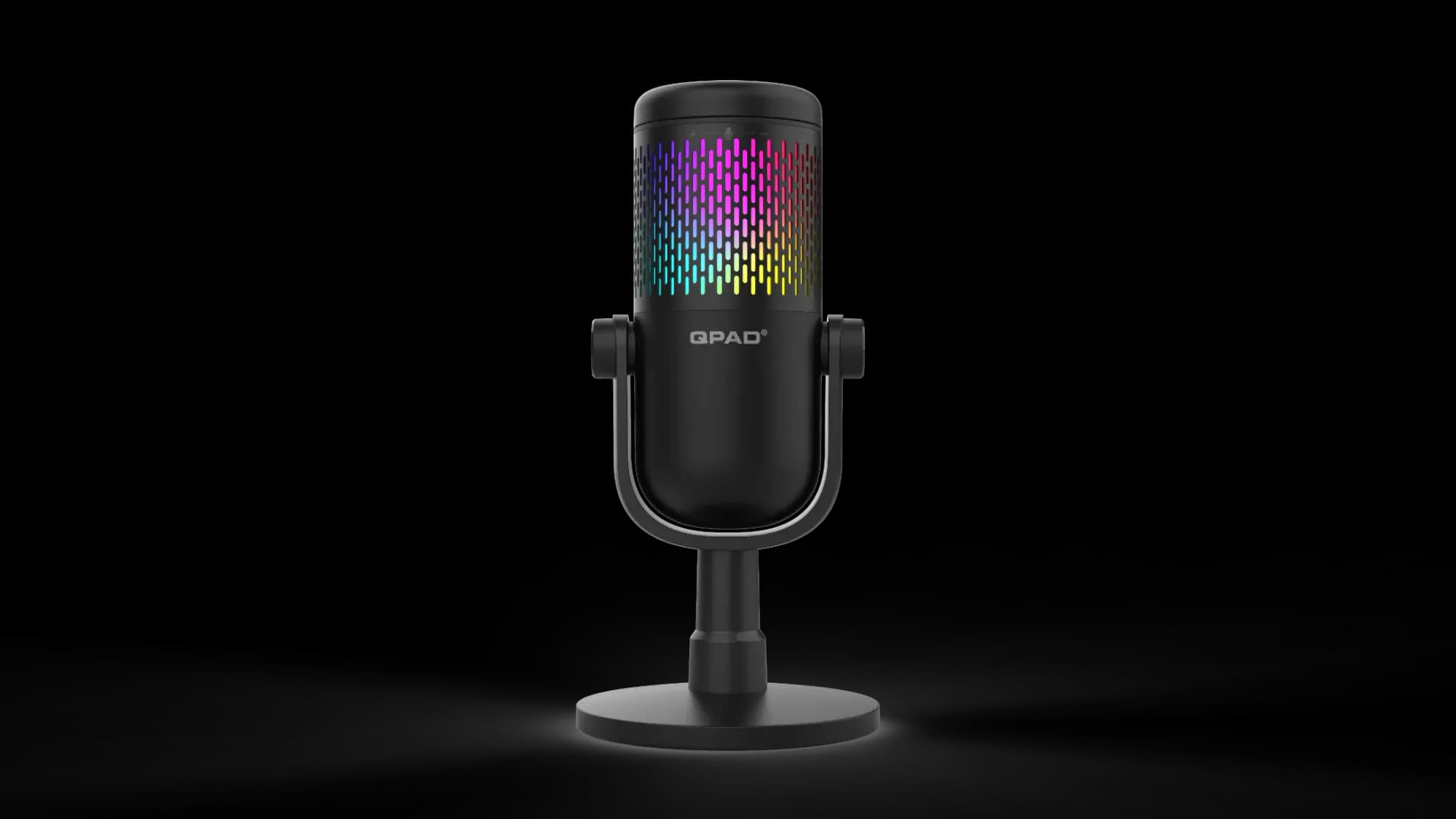
BEAM
BEAM STREAM MIC RGB
- GAIN CONTROL
- WEIGHTED BASE
- HI-RES
- TAP TO MUTE
- RGB
- CARDIOID
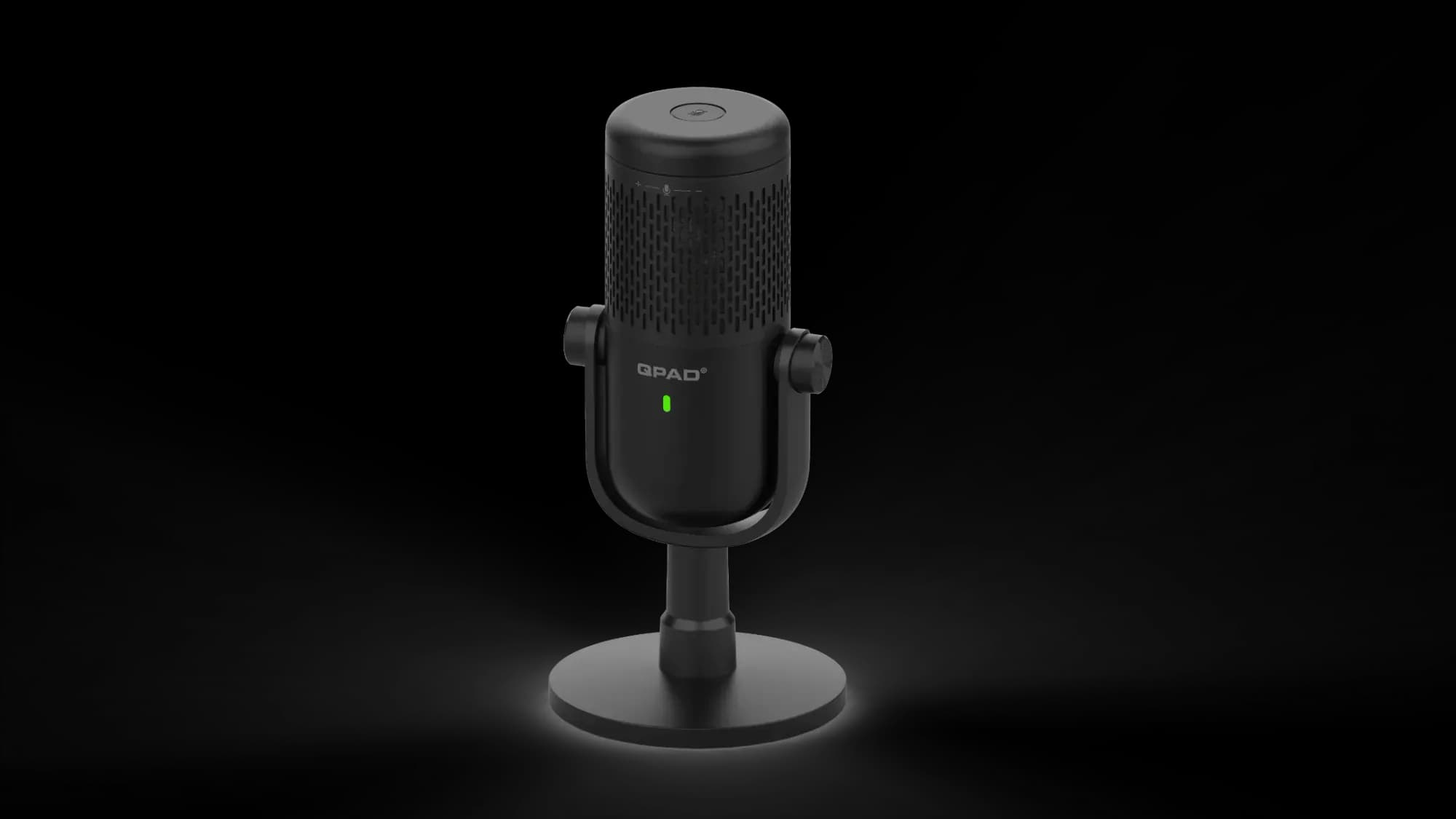
BEAM
BEAM STREAM MIC
- GAIN CONTROL
- WEIGHTED BASE
- HI-RES
- TAP TO MUTE
- CARDIOID
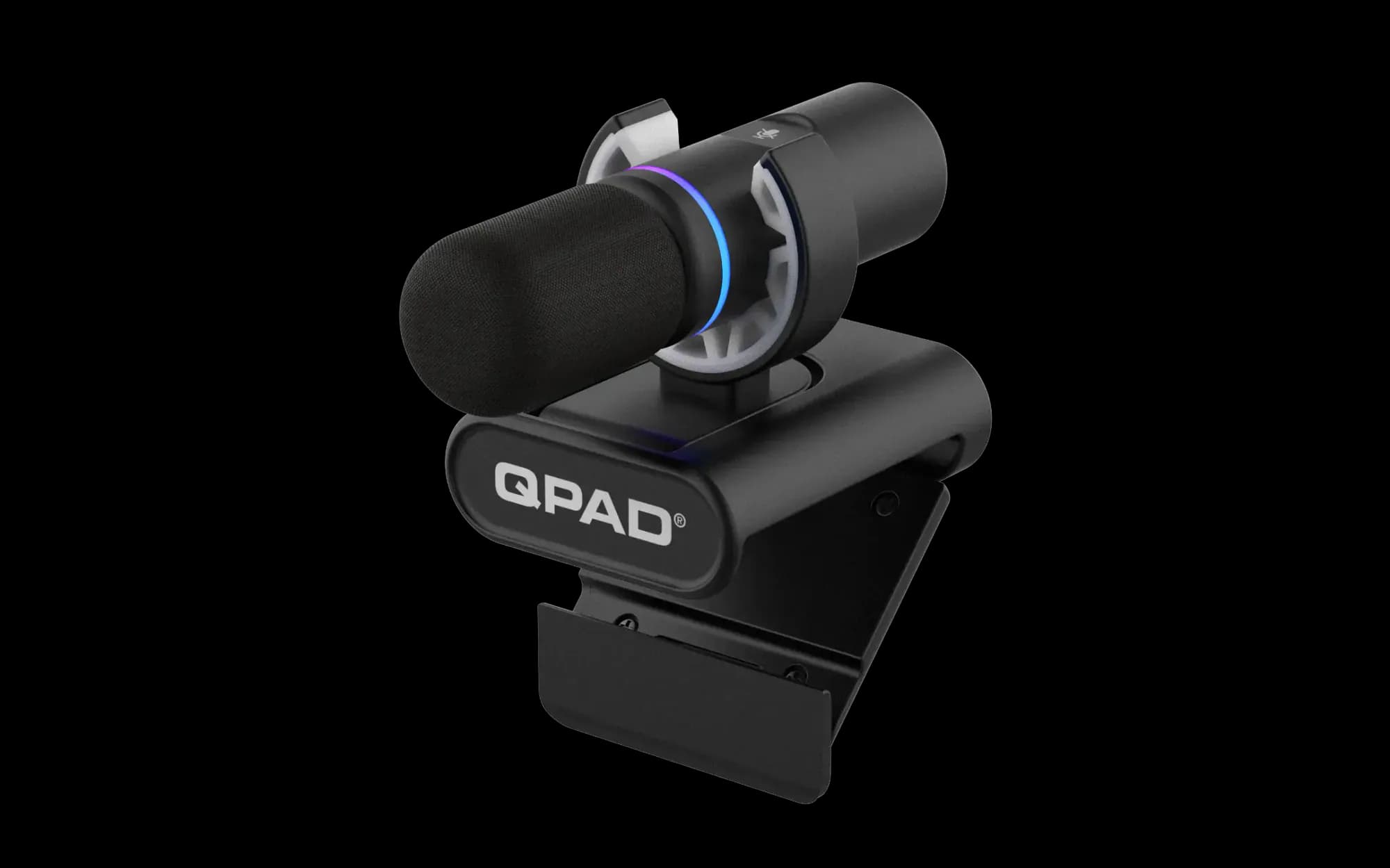
NANOBEAM
NANOBEAM STREAM MIC
- SHOCK MOUNT
- EASY CLIP ON
- HI-RES
- TAP TO MUTE
- CARDIOID


Choosing a USB streaming microphone from QPAD
In short. Every QPAD USB streaming microphone shares the same capture: a 50 Hz to 20 kHz range, 70 dB signal-to-noise, 110 dB max SPL, and a 3 m cable that runs into the computer with no interface in between. What sets them apart is pickup and size. Nanobeam, Beam, and Beam RGB stay cardioid, listening to the voice in front. Omnibeam RGB Pro adds omnidirectional, bidirectional, and stereo capture for rooms, duos, and instruments.
Why cardioid is the streaming default
Cardioid is the streaming default because it listens to what sits in front and turns down what sits behind. Your voice reaches the capsule clearly, while keyboard rattle and the echo bouncing off the walls behind the mic mostly fall away. That single-source pickup is the reason solo streamers and podcasters reach for this pattern first.
Beam and Beam RGB share the same capture behaviour and the same body at 90 × 90 × 190 mm and 345 g, with the RGB version simply adding lights. The Nanobeam keeps that front-facing pickup in a smaller shell of 85 × 45 × 50 mm and 175 g, and it ships with a shock mount and clip for a desk that has less room to spare.

Omnibeam RGB Pro: four patterns in one
The Omnibeam RGB Pro is the microphone to pick when a single voice is not the whole job. It moves between four settings. Cardioid holds the focus on one person in front. Omnidirectional opens up to the full room. Bidirectional catches two people seated across from each other. Stereo spreads wide for an instrument or a broad stage.
It is the largest of the four, measuring 90 × 90 × 200 mm and weighing 392 g. For anything other than one voice, this is the model built for the task.

 Nanobeam Nanobeam | 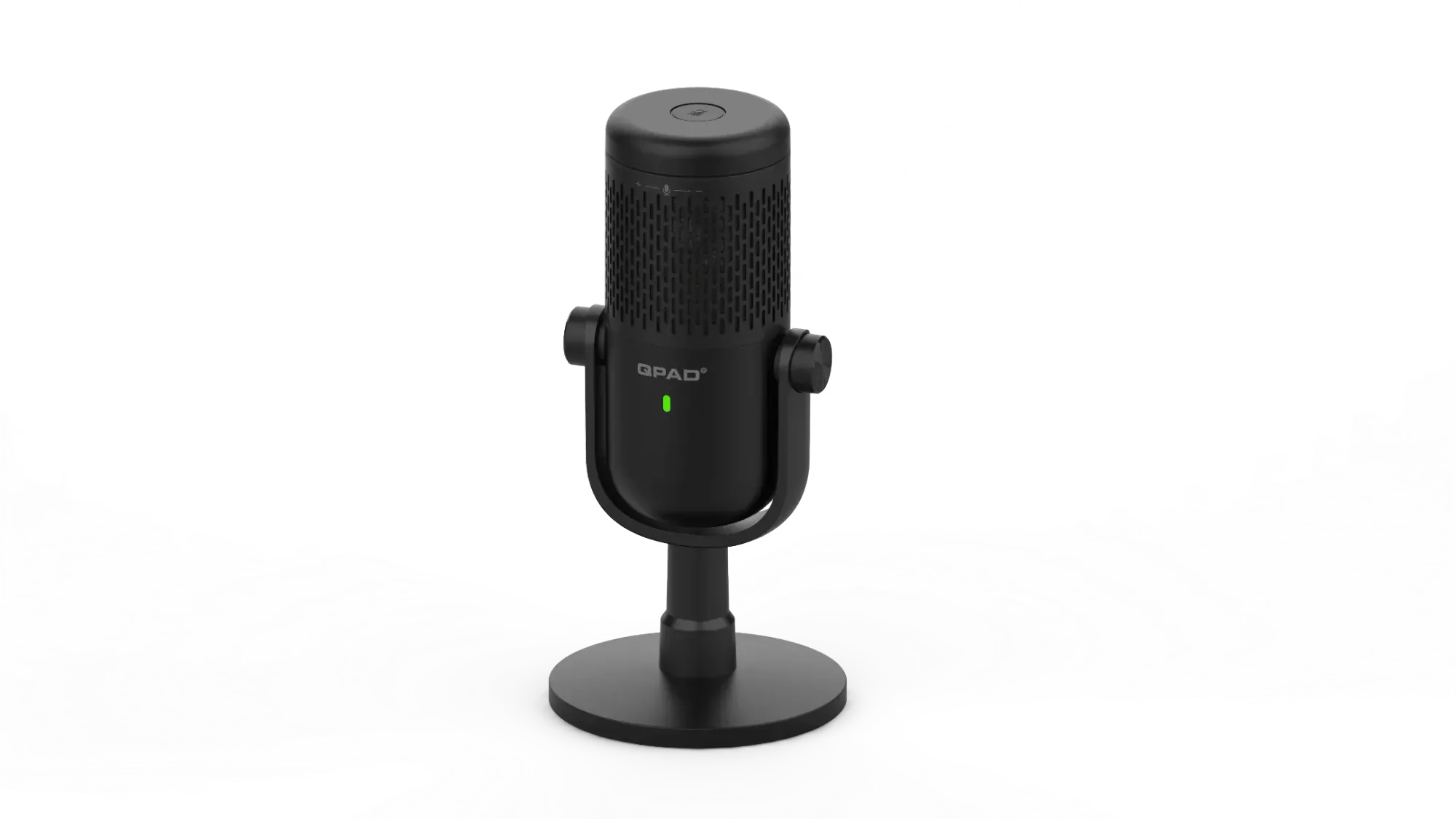 Beam Beam | 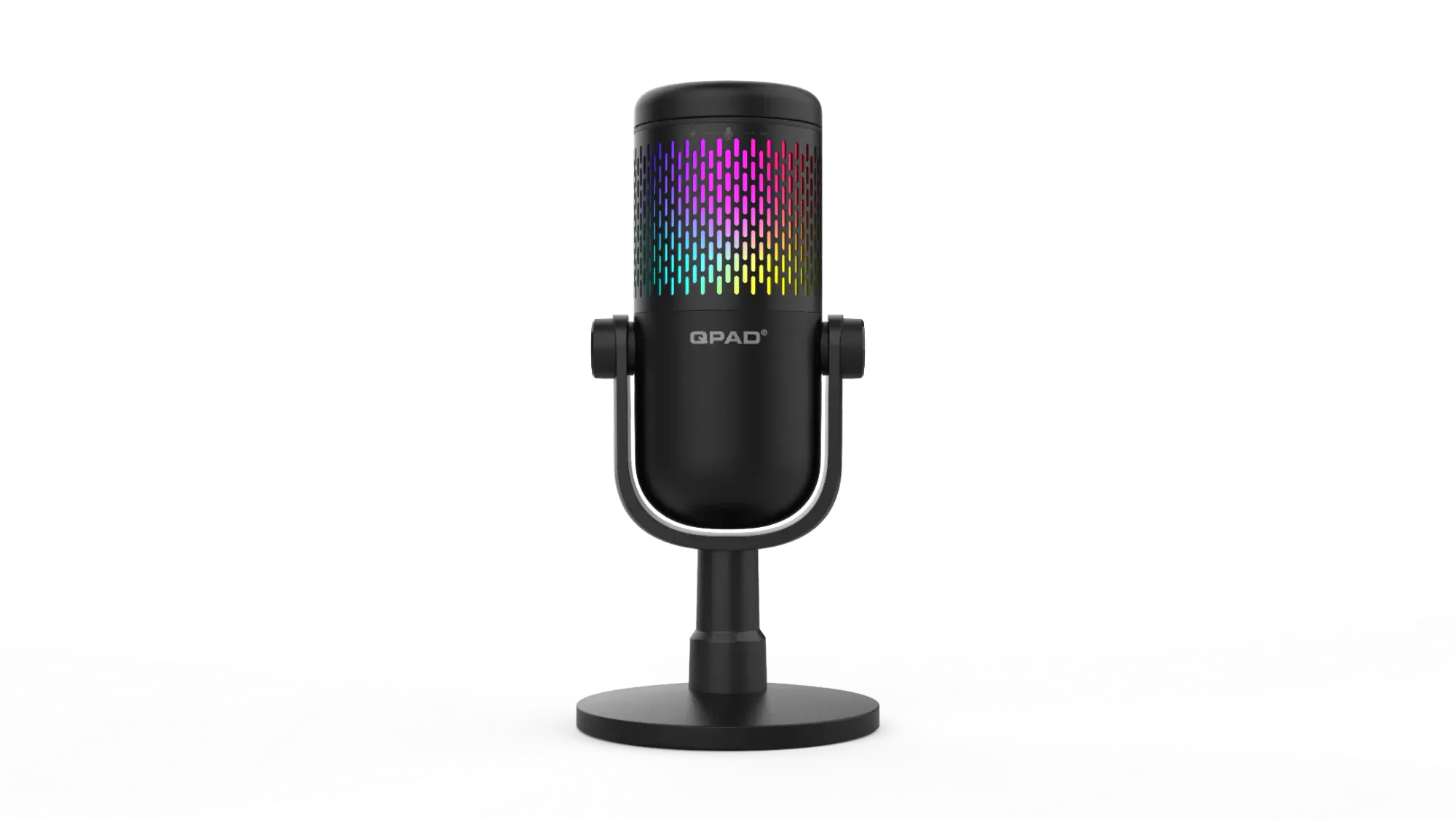 Beam RGB Beam RGB | 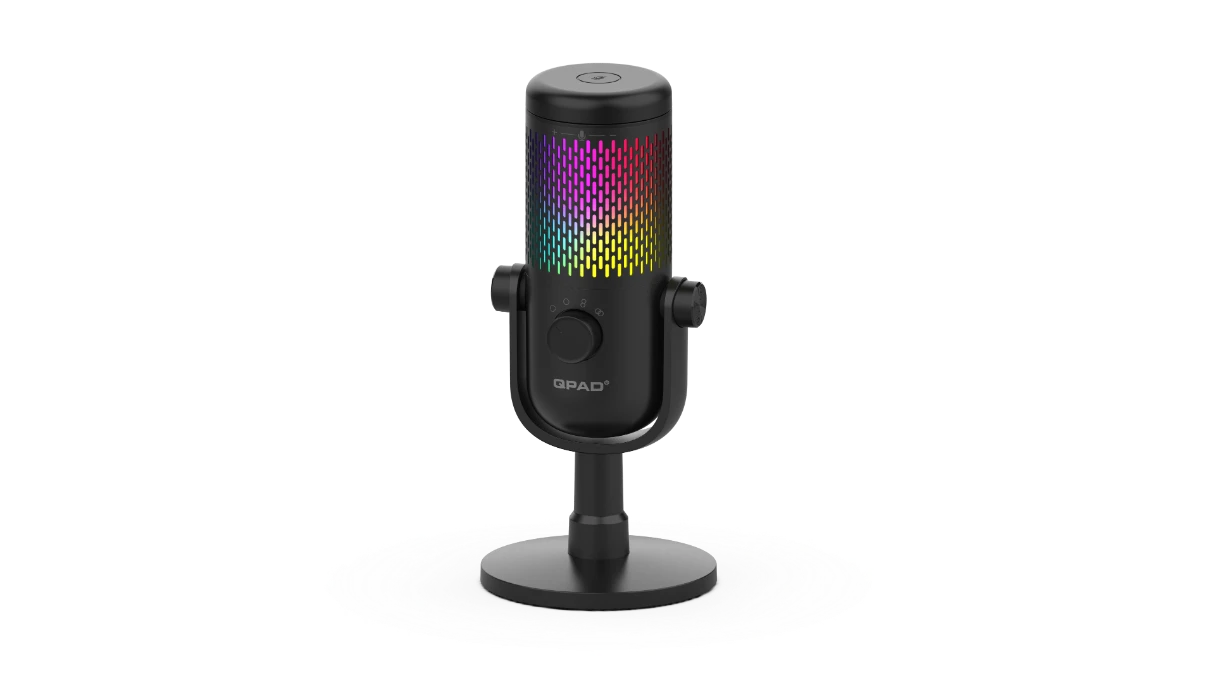 Omnibeam RGB Pro Omnibeam RGB Pro | |
|---|---|---|---|---|
| Pickup pattern | Cardioid | Cardioid | Cardioid | Cardioid · Omni · Bi · Stereo |
| Frequency response | 50 Hz to 20 kHz | 50 Hz to 20 kHz | 50 Hz to 20 kHz | 50 Hz to 20 kHz |
| Signal-to-noise | 70 dB | 70 dB | 70 dB | 70 dB |
| Max SPL | 110 dB | 110 dB | 110 dB | 110 dB |
| Lighting | None | None | RGB | RGB |
| Size | 85 × 45 × 50 mm | 90 × 90 × 190 mm | 90 × 90 × 190 mm | 90 × 90 × 200 mm |
| Weight | 175 g | 345 g | 345 g | 392 g |
| Cable | 3 m USB-A to USB-C | 3 m USB-A to USB-C | 3 m USB-A to USB-C | 3 m USB-A to USB-C |
How to choose
- 01
One voice. The Nanobeam, Beam and Beam RGB share one cardioid capsule, sensitive at the front and closed to the room behind, so a single speaker is captured at matching quality.
- 02
Two people or a room. Only the Omnibeam RGB Pro can shift into omnidirectional, bidirectional or stereo, so it suits an interview, two people sharing a desk, or a wide instrument, where a single-direction mic falls short.
- 03
Desk space. The Nanobeam stays compact at 85 × 45 × 50 mm and 175 g, with shock mount and clip; the Beam bodies measure 90 × 90 × 190 mm at 345 g.
- 04
Lighting. The Beam RGB and Omnibeam RGB Pro carry lighting that shows on camera, while the plain Beam and the Nanobeam capture the same sound with no glow at all.
FAQ
- What is a cardioid microphone?
- A cardioid microphone listens mostly to what sits in front of it and turns away sound arriving from behind. That heart-shaped pickup keeps room echo and the keyboard tapping behind the mic quieter, which makes a cardioid microphone the usual pick for one person on stream.
- Do the QPAD Beam mics need an audio interface?
- No. Every Beam plugs in over the included 3 m USB-A to USB-C cable and runs straight to your computer, where it shows up as a USB microphone. There is no separate audio interface to buy or configure.
- What does a 70 dB signal-to-noise ratio mean?
- It means the microphone's own noise floor sits 70 dB beneath the sound it captures, so a normal speaking voice comes through with very little hiss underneath. All four Beam models share this signal-to-noise figure.
- Which QPAD microphone works for two people?
- The Omnibeam RGB Pro. Its bidirectional pattern captures two people who sit facing each other across the mic, one on each side. Its omnidirectional setting instead opens up to cover a whole room when more voices join.
- How small is the Nanobeam?
- The Nanobeam measures 85 × 45 × 50 mm and weighs 175 g, roughly half the weight of a Beam. A shock mount and clip come in the box. Its capture spec matches: a 50 Hz to 20 kHz range, 70 dB signal-to-noise, and 110 dB maximum SPL.